Laird
Laboratory

Epigenetics in Aging and Cancer
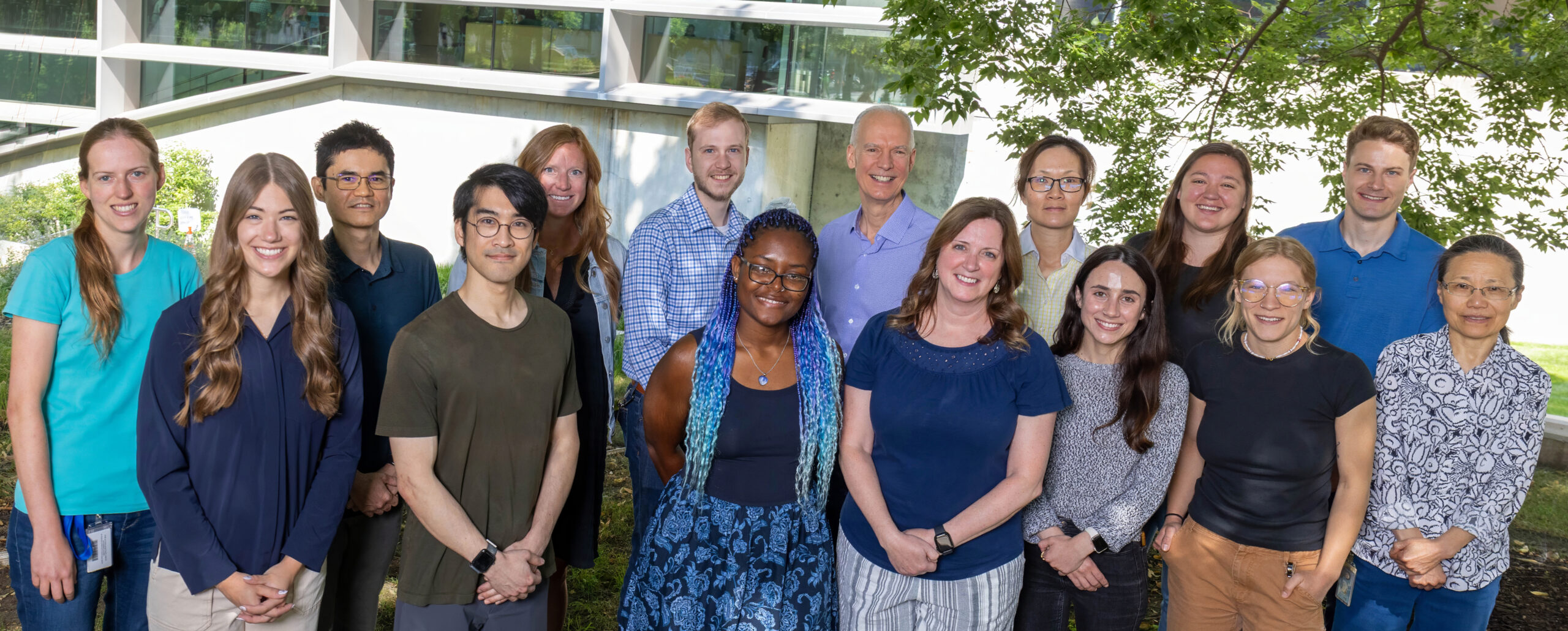
The Laird Laboratory’s goal is to develop a detailed understanding of the molecular basis of human disease, with a particular emphasis on the role of epigenetics in cancer. Cancer often is considered to have a primarily genetic basis, with contributions from germline variations in risk and somatically acquired mutations, rearrangements, and copy number alterations. However, it is clear that non-genetic mechanisms can exert a powerful influence on cellular phenotype, as evidenced by the marked diversity of cell types within the human body, virtually all of which contain an identical genetic code. This is accomplished by differential gene expression controlled by tissue-specific transcription factors and variations in chromatin packaging and modification, which provides stable phenotypic states governed by epigenetic — not genetic — mechanisms. It seems intrinsically likely that an opportunistic disease such as cancer would take advantage of such a potent mediator of cellular phenotype. The Laird Laboratory is dedicated to understanding how epigenetic mechanisms contribute to the origins of cancer and how to translate this knowledge into more effective cancer prevention, detection, treatment, and monitoring.
One of the best-understood epigenetic marks is the covalent modification of DNA as 5-methylcytosine in CpG dinucleotides. The Laird team uses a multidisciplinary approach to understand the role of DNA methylation in cancer, relying in part on technology developed by Dr. Laird and colleagues, mechanistic studies in model organisms and cell culture, clinical and translational collaborations, genome scale and bioinformatic analyses, and epidemiological studies. In recent years, the Laird team has participated in the generation and analysis of high-dimensional epigenetic data sets, including the production of all epigenomic data for The Cancer Genome Atlas (TCGA) and the application of next-generation sequencing technology to single-base-pair resolution, whole-genome DNA methylation analysis. The lab leverages this epigenomic data for translational applications and hypothesis testing in animal models. A major focus of the Laird Laboratory is to develop mouse models for investigating epigenetic mechanisms and drivers of cancer, and to develop novel strategies for single-cell epigenomic analysis.
Recent News & Featured Publications
Learn More
Phase 2 trial suggests vitamin C may benefit people with pre-cancer blood disorders

Compendium of patient-derived models offers new opportunities for cancer research, precision oncology

Can epigenetics help us understand Crohn’s disease?
Spix NJ, Habib WA, Zhang Z, Eugster E, Milliron HY, Sokol D, Lee K, Nolte PA, Endicott JL, Krzyzanowski KF, Hinoue T, Morrison J, Johnson BK, Zhou W, Shen H, Laird PW. 2025. High-coverage allele-resolved single-cell DNA methylation profiling reveals cell lineage, X-inactivation state, and replication dynamics. Nat Commun 16(1):6273.
Ellrott K … Cherniak AD, Laird PW. 2025. Classification of non-TCGA cancer samples to TCGA molecular subtypes using compact feature sets. Can Cell 43(2):195–212.e11.
Garcia-Recio S#, Hinoue T#, Wheeler GL#, Kelly BJ#, Garrido-Castro AC# … Lee AV*, Balko JM, Hoadly KA*, Laird PW*, Mardis AR*, King TA*, AURORA US Network, Perou CM*. 2022. Multiomics in primary and metastatic breast tumors from the AURORA US network finds microenvironment and epigenetic drivers of metastasis. Nat Can 4:128–147.
Endicott JL, Nolte PA, Shen H, Laird PW. 2022. Cell division drives DNA methylation loss in late-replicating domains in primary human cells. Nat Commun 13:6659.
Our Impact
We’re raising thousands to save millions.
We’re turning hope into action for the millions of people around the world affected by diseases like cancer and Parkinson’s. Find out how you can help us make a difference.
- 141 peer-reviewed papers published in 2025, 74 of which were in high-impact journals
- 15 VAI-SU2C Epigenetics Dream Team clinical trials launched to date
- 10 clinical trials and related projects supported by VAI through the International Linked Clinical Trials Program

Peter W. Laird, Ph.D.
Professor, Department of Epigenetics; Peter and Emajean Cook Endowed Chair in Epigenetics
Areas of Expertise
Cancer epigenomics, experimental models of cancer epigenetics, epigenetic characterization of technology, epigenomic bioinformatics, clinical and translational epigenetics
Biography
Dr. Laird earned his B.S. and M.S. from the University of Leiden and earned his Ph.D. in 1988 from the University of Amsterdam with Dr. Piet Borst. He completed postdoctoral training in the laboratory of Dr. Anton Berns at the Netherlands Cancer Institute and with Dr. Rudolf Jaenisch at the Whitehead Institute for Biomedical Research. Dr. Laird was a faculty member at the University of Southern California (USC) from 1996 to 2014, where he served as professor of surgery, biochemistry and molecular biology; as Skirball-Kenis Professor of Cancer Research; as a program leader in epigenetics and regulation for the Norris Comprehensive Cancer Center; and as director of the USC Epigenome Center. Dr. Laird joined VAI as a professor in September 2014.
Selected Publications
For a full list of Dr. Laird’s publications, please visit PubMed.
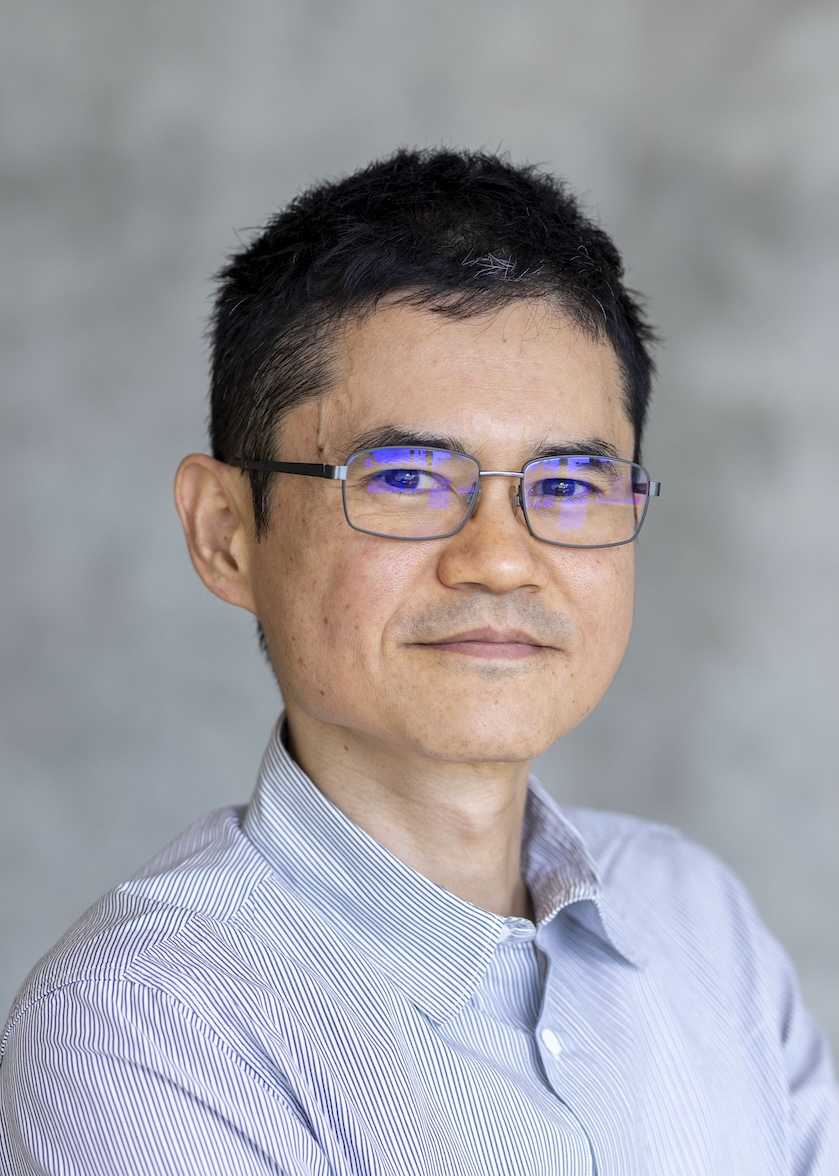
Toshinori Hinoue, Ph.D.
Bioinformatics Scientist, Department of Epigenetics

Ava Jensen
Ph.D. Student, VAI Graduate School
Research focus to be determined.

Manpreet Kalkat, Ph.D.
Research Scientist, Department of Epigenetics

Liang Kang, A.S.
Senior Research Technician, Department of Epigenetics
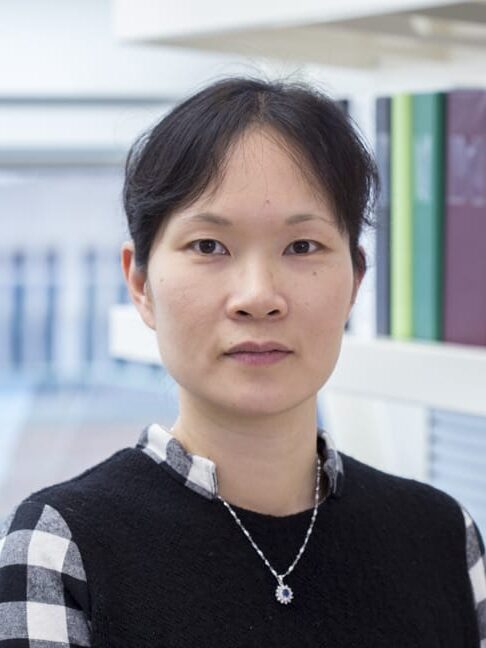
Hsiao-Yun Yeh (Christy) Milliron, Ph.D.
Research Scientist, Department of Epigenetics

Paula Nolte, B.S.
Research Technician, Department of Epigenetics

Amy Nuffesse
Senior Administrative Assistant II, Department of Epigenetics


Mary Olesnavich
Ph.D. Student, VAI Graduate School
Research focus to be determined.

Jae Min (Jamie) Park
Ph.D. Student, VAI Graduate School
Research Focus: Investigating DNA methylation aberrations in Hutchinson-Gilford Progeria Syndrome

Ashlin Slanger
Ph.D. Student, VAI Graduate School
Research focus to be determined.